




 855-720-5244
Can You Ship a Non-Running Car? Useful

If your car doesn’t start or drive, you might assume shipping it is impossible—or extremely expensive.
The good news is: yes, you can ship a non-running car. However, the process is different from shipping a running vehicle, and understanding those differences is critical.
In this article, we’ll explain how non-running car shipping works, what affects the cost, what equipment is required, and how to avoid common problems.
What Is Considered a Non-Running Vehicle?
A car is considered non-running (inoperable) if it cannot:
- Start under its own power
- Drive forward and backward
- Be safely driven onto a trailer
Common reasons include:
- Dead battery
- Engine or transmission failure
- Accident damage
- Restoration or project vehicles
Even if the car rolls and steers, it is still classified as non-running if it cannot drive.
How Non-Running Car Shipping Works
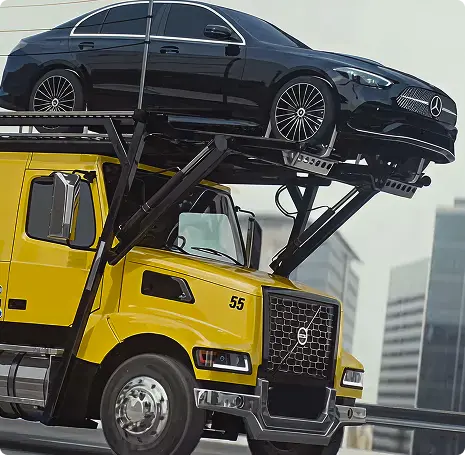
Shipping a non-running vehicle requires special equipment.
Most carriers use:
- Winches
- Hydraulic lift gates
- Specialized trailers
This allows the driver to safely load and unload the vehicle without driving it.
Not all carriers are equipped for this, which is why non-running shipments require more coordination and planning.
Why Non-Running Cars Cost More to Ship
Non-running vehicles almost always cost more to transport.
Reasons include:
- Extra loading and unloading time
- Specialized equipment
- Fewer available carriers
- Higher risk during handling
Because fewer carriers accept inoperable vehicles, demand often exceeds supply—especially on less common routes.
Open vs Enclosed Transport for Non-Running Cars
Transport type still matters.
- Open Carrier Car Shipping is the most common and cost-effective option
- Enclosed Car Shipping is often chosen for classic, luxury, or restored vehicles
Enclosed transport provides more protection but has fewer available carriers, which can increase both cost and scheduling time.
Door-to-Door Shipping and Accessibility
Most non-running vehicles can still be shipped using Door To Door Car Shipping, but accessibility is crucial.
Carriers need:
- Space to operate winches
- Flat, accessible loading areas
- Safe surroundings for equipment use
If access is limited, meeting at a nearby open location may be required to avoid delays.
Common Mistakes That Cause Delays
Delays with non-running vehicles often happen because of missing or incorrect information.
Common issues include:
- Listing the car as “running” when it isn’t
- Not disclosing steering or brake problems
- Limited pickup access
Accurate details help match your vehicle with the right carrier from the start.
How to Prepare a Non-Running Car for Transport
Preparation makes a big difference.
Before pickup:
- Make sure the car rolls and steers if possible
- Remove personal items
- Secure loose parts
- Disable alarms
- Inflate tires if possible
Even small steps can reduce loading time and risk.
How Long Does It Take to Ship a Non-Running Car?
Non-running shipments often take longer to schedule.
Why:
- Fewer equipped carriers
- More route planning
- Additional loading time
Flexible pickup windows improve carrier availability and reduce delays.
Is Non-Running Car Shipping Safe?
Yes—when done correctly.
Professional carriers are trained to handle inoperable vehicles safely using proper equipment. Damage is uncommon when the vehicle’s condition is accurately disclosed and the right transport method is used.
Final Thoughts
Shipping a non-running car is absolutely possible—but it requires planning, transparency, and realistic expectations.
Understanding how the process works helps you:
- Avoid delays
- Reduce unexpected costs
- Ensure safe transport
The key is working with an auto transport company that explains the process clearly and matches your vehicle with the right carrier.
FAQs
Can a completely dead car be shipped?
Yes, as long as it can be winched and safely handled.
Does a non-running car cost more to ship?
Yes. Specialized equipment and limited carrier availability increase costs.
Do I need enclosed transport for a non-running car?
Not always. Open transport works for most vehicles unless extra protection is needed.
Can non-running cars be shipped door to door?
Usually yes, if the pickup and delivery locations are accessible.
Should I disclose all mechanical issues?
Absolutely. Full disclosure prevents delays and extra fees.
Read also related blogs:

Military Car Shipping: PCS Moves and Deployment Vehicle Transport
Military relocations happen fast, often with limited notice and strict timelines. While th...
Read more →
Shipping Electric Vehicles
Electric vehicles have transformed the automotive market, but they've also changed the log...
Read more →